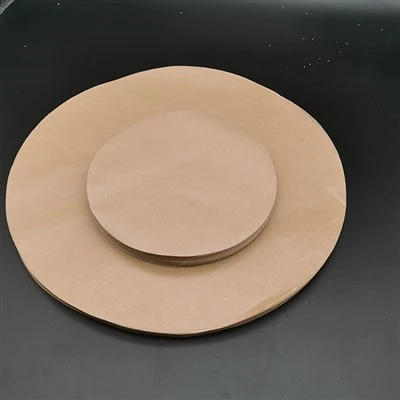
1, Step 1: Safety Standards (Most Important)
Ensure that it is food grade paper that meets national standards and can come into direct contact with food

2, How to choose materials and coatings
1. Single sided silicone oil vs double-sided silicone oil
Single sided silicone oil paper: one side is anti adhesive and the other side is silicone free; Contact the silicone oil surface with food during use; High cost-effectiveness, commonly used for baking cookies and cakes on baking trays
Double-sided silicone oil paper , Priority recommendation: Both sides are anti adhesive, no need to distinguish between positive and negative sides; Suitable for grilling meat, heavy oil food, air fryer, and repeated cutting and use
2. Weight (thickness)
Household standard: 38-42g/㎡
<35g: too thin, easy to break when in contact with oil, easy to burn at high temperatures
Thickened version ≥ 40g: heavy oil grilled meat, long-term baking, preferred for commercial production, better anti-seepage oil
3. Paper based raw materials
Identify native wood pulp; Refuse to recycle waste paper pulp.
Simple self-test: Do not make the paper pale and glaring; Under strong light irradiation, inferior paper will have impurities of various colors.
4. Process bonus points (commercial/high requirements)
Prioritize solvent-free coating process for silicone oil paper, with lower risk of residual organic solvents (toluene, xylene)
3, Temperature resistance parameters
Conventional food grade silicone oil paper: Long term use ≤ 220 ℃, short-term limit 230 ℃, continuous baking is not recommended to exceed 20 minutes
Bake for a long time above 230 ℃, it is recommended to use aluminum foil instead
Do not touch open flames or heating tubes directly

Your premium choice:


If you want to learn more about baking paper or develop new products, please feel free to contact us. We provide free samples and design solutions!