

Health and safety: Disposable use can avoid cross contamination, reduce the risk of transmission of bacteria, viruses, and other microorganisms, provide a safer packaging environment for food, and help protect consumer health.
Convenient and fast: After use, it can be directly discarded without cleaning, saving time and labor costs. It is particularly suitable for fast-paced lifestyles and some temporary dining scenes, such as picnics, takeout, etc.
Good food adaptability: Food paper usually has good flexibility, breathability, and a certain degree of moisture resistance, which can adapt to the packaging needs of various foods. It can be used to package dry foods such as pastries and biscuits, as well as foods with low moisture content such as fruits and vegetables, helping to maintain the freshness and quality of food.
Environmentally friendly and biodegradable: Most disposable food paper is made from natural plant fibers, which can degrade quickly in the natural environment and cause relatively little pollution to the environment. Compared with some difficult to degrade plastic packaging, it is more in line with environmental protection concepts and beneficial for reducing white pollution.
Good printing adaptability: It is easy to print and label, and can clearly display relevant information about food, such as brand, name, ingredients, shelf life, etc. It helps consumers understand product information and also has a certain promotional and advertising effect.
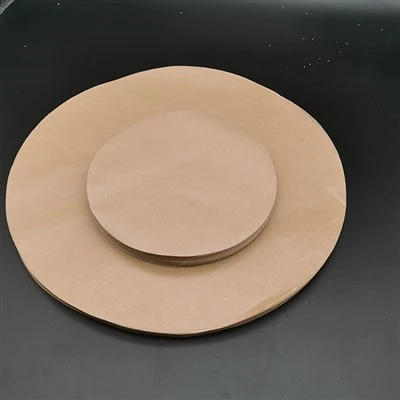
The Benefits Of Disposable Food Paper


Send Inquiry