Can Glassine Paper Be Used as Baking Paper?
Regular glassine paper ≠ baking paper. It is not recommended for high-temperature baking in ovens.
Only **food-grade, high-temperature resistant glassine (silicone paper)can be used as baking paper.
Differences Between the Two
1. Regular Industrial Glassine Paper** Primarily used for self-adhesive backing paper, labels, and release paper. The release agent on the surface is not food-grade, and its **temperature resistance is only 80-120℃.
- Oven baking at 180-220℃: It will yellow, become brittle, smoke, release chemicals, and the release coating will migrate to the food. it cannot be used in the oven.
- Only suitable for: As a placemat for cookies, candies, and cold foods at room temperature. It cannot be heated.

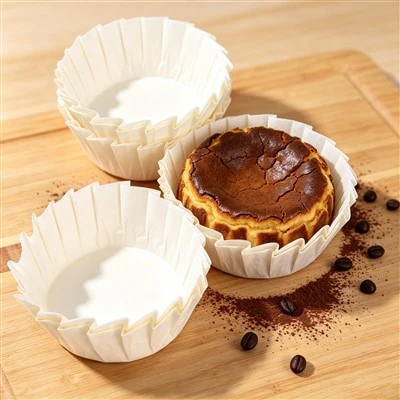
2. Food-grade Silicone Paper (also called food-grade glassine by many vendors) Made with glassine paper as the base material, it is coated on both sides with food-grade silicone oil. It has a temperature resistance of -60~230℃ and is the baking paper we commonly use. It can be used in ovens and air fryers.

Key Points: Check the label, not the name. Look for packaging that states: food contact, heat resistant 200℃+, food-grade silicone paper. If it only says "glassine paper" or "release paper" without any food contact instructions, do not put it in the oven.
Simple and Quick Differentiation
- Touch: Industrial glassine paper is smooth on one side; food-grade baking silicone paper is smooth on both sides.
- Check the packaging: Look for food contact markings and LFGB/FDA food contact labels.
- Mini-test: Bake at 180℃ for 5 minutes. Smoke, crispness, and an off-odor = industrial grade, do not contact with food.
Summary
- Industrial glassine (adhesive backing paper): **Absolutely not suitable for oven baking**, only for room temperature insulation.
- Food-grade glassine silicone paper: Can be used normally as baking paper.